
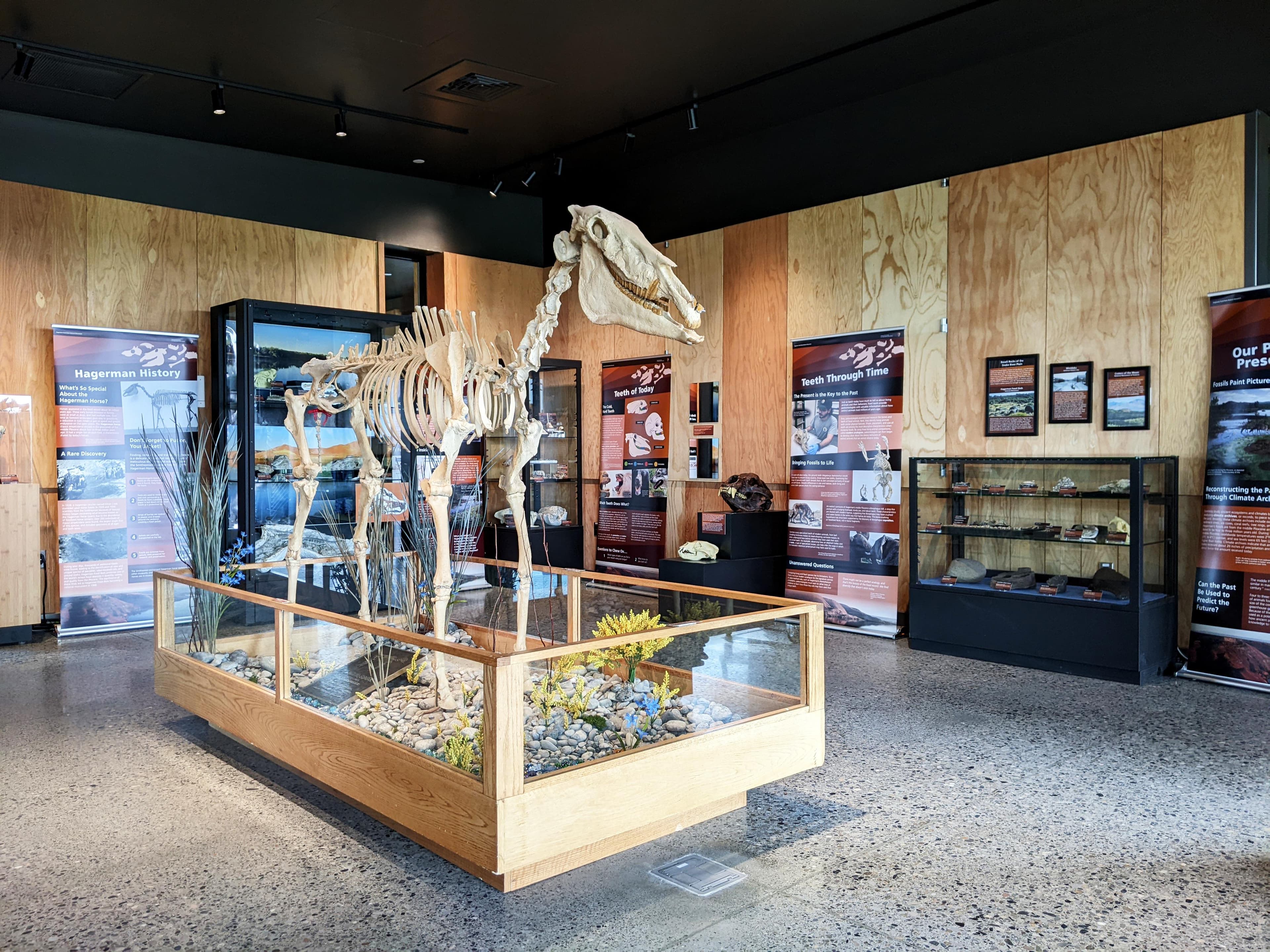
Hagerman Fossil Beds National Monument
During the Pliocene, this place looked quite different.
Photo: NPS/S. Lacy / NPS
About Hagerman Fossil Beds National Monument
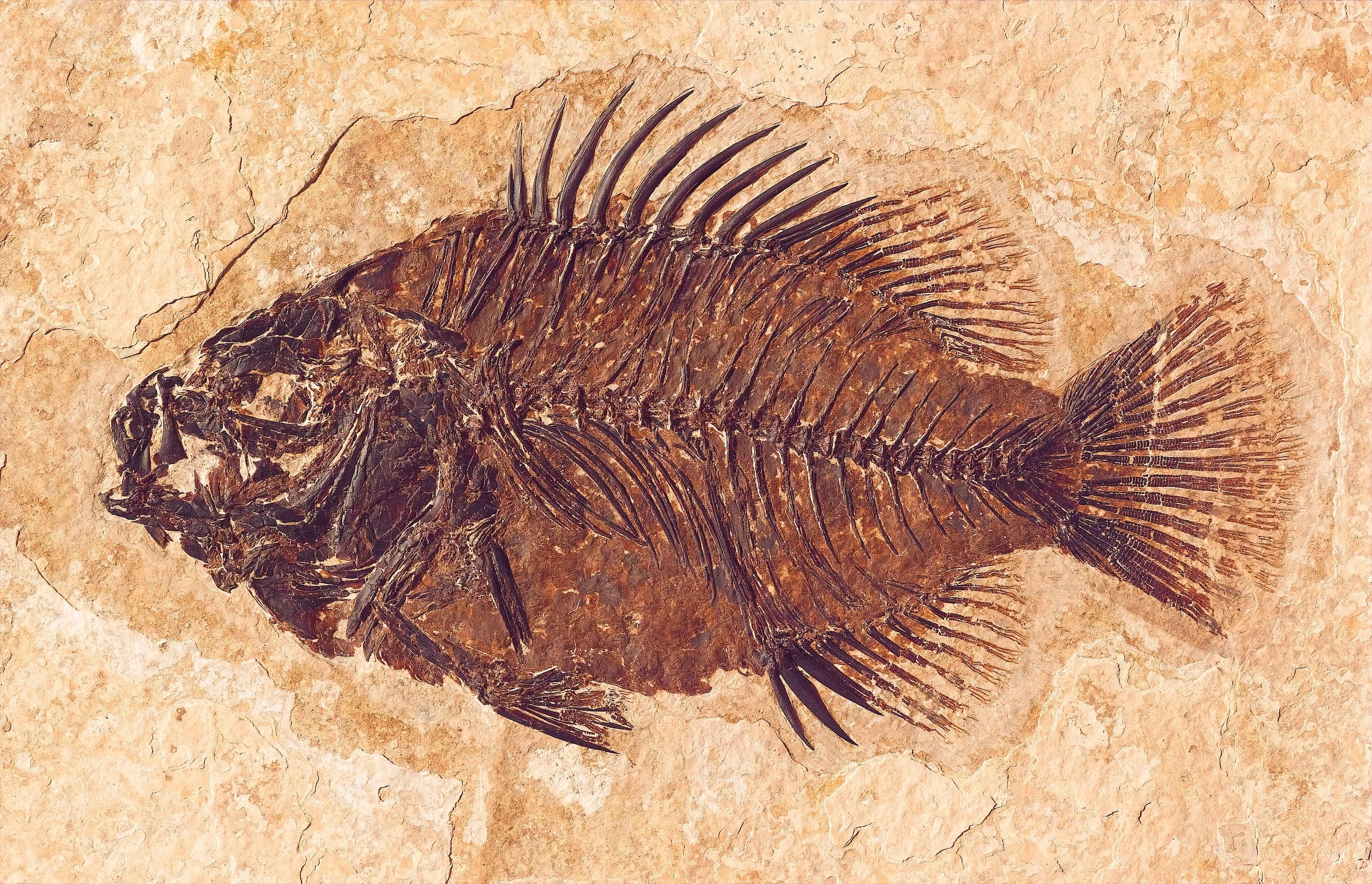
During the Pliocene, this place looked quite different. Lush wetlands, forests, and grasslands provided excellent habitat for a variety of animals. From fascinating, now-extinct creatures like the saber-toothed cat, mastodon, and ground sloth, to more familiar animals like horses, beavers, and birds, the scientific study of Pliocene fossils is the key to Hagerman.
Pair it with another park
 ID
drive time
 ID
drive time
 UT
drive time
 UT
drive time
 WY
drive time
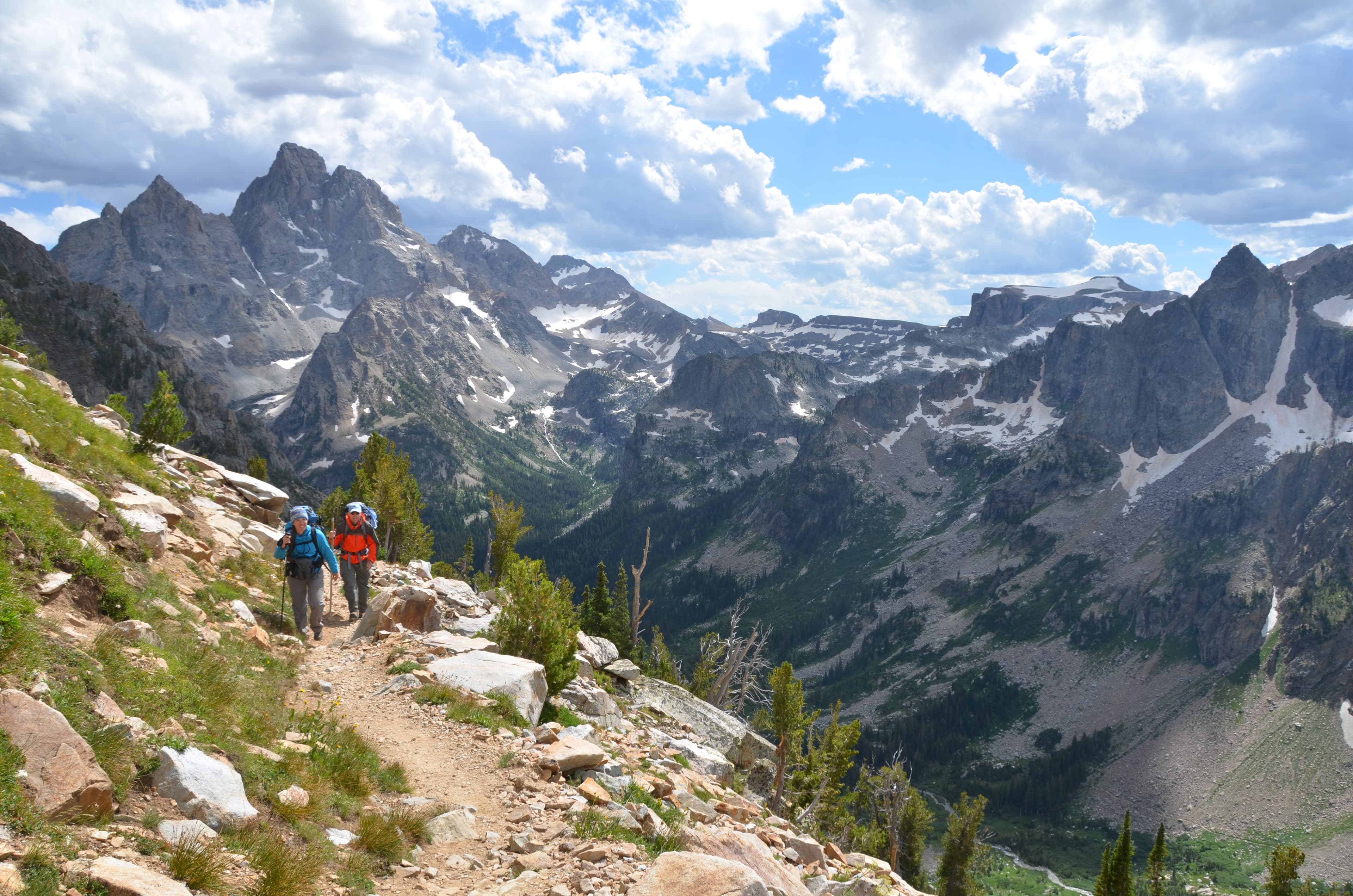 WY
drive time
Driving times from Hagerman Fossil Beds National Monument, one way, via road — a realistic day is 8–10 hours behind the wheel.
Hours
Hagerman Fossil Beds National Monument
- Mon
- Sunrise to Sunset
- Tue
- Sunrise to Sunset
- Wed
- Sunrise to Sunset
- Thu
- Sunrise to Sunset
- Fri
- Sunrise to Sunset
- Sat
- Sunrise to Sunset
- Sun
- Sunrise to Sunset
Activities
Getting there
Hagerman, Idaho, gets 10 inches of rain per year. On average, there are 213 sunny days per year in Hagerman, Idaho. The July high is around 94 degrees. The January low is 22. Our comfort index, which is based on humidity during the hot months, is a 78 out of 100, where higher is more comfortable. The US average on the comfort index is 44.
Frequently asked questions
- What is there to do at Hagerman Fossil Beds National Monument?
- Popular activities include Auto and ATV, Birdwatching, Food, Front-Country Hiking, Gift Shop and Souvenirs, Guided Tours.
- Which national parks are within a day's drive of Hagerman Fossil Beds National Monument?
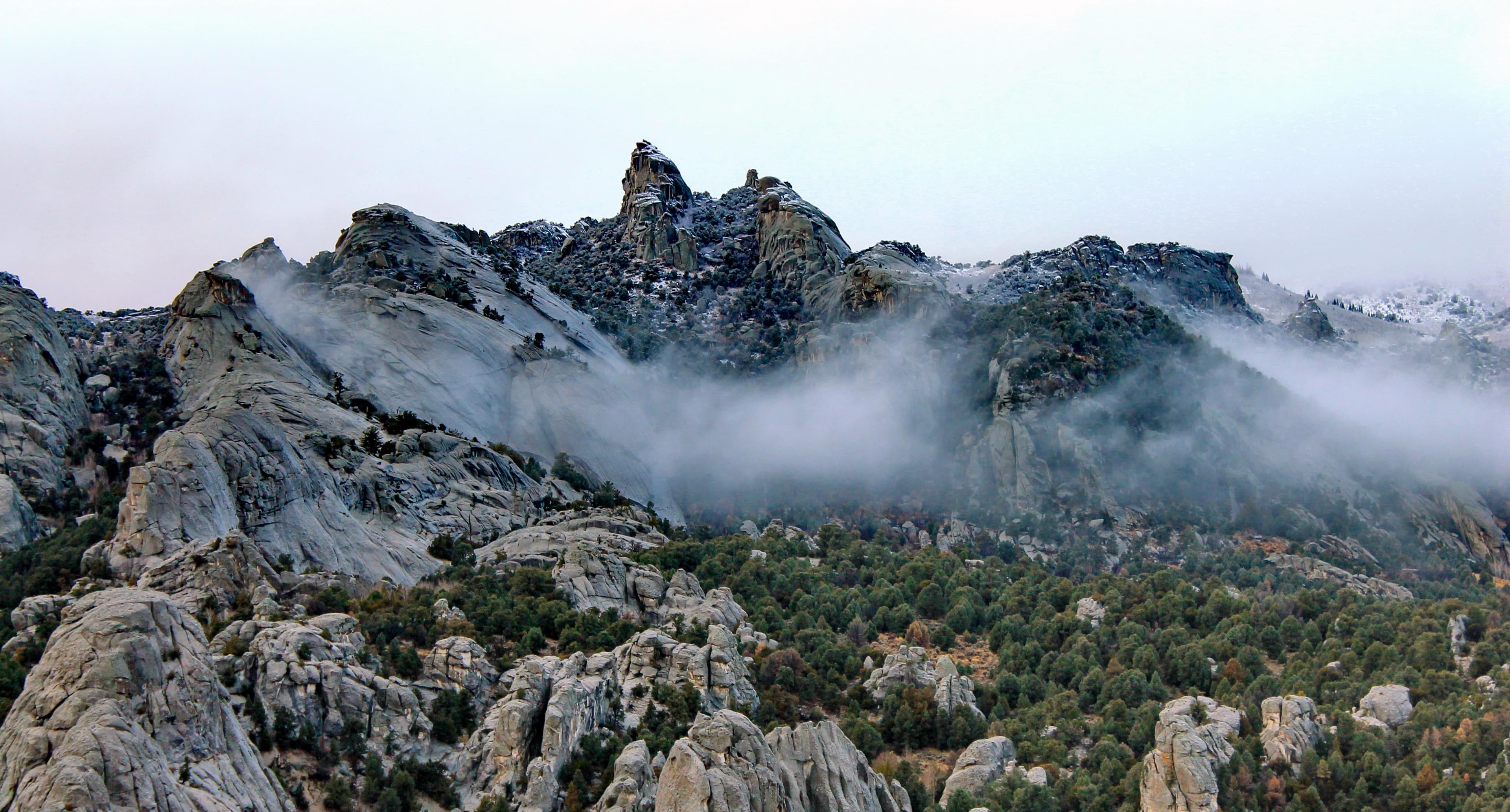
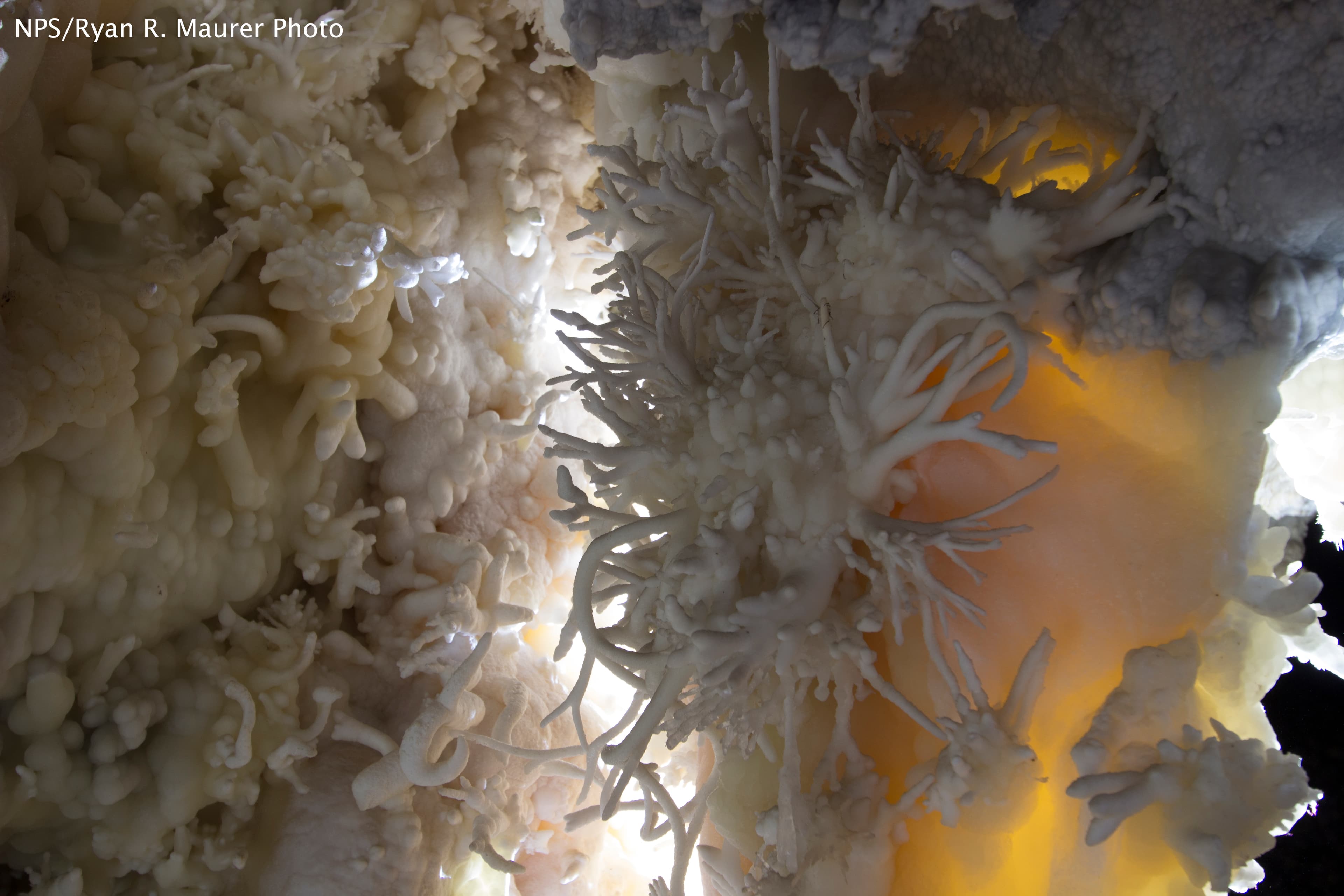
- Within about a day's drive you can reach Minidoka National Historic Site (1 h 4 min), City Of Rocks National Reserve (2 h 24 min), Golden Spike National Historical Park (3 h 39 min), Timpanogos Cave National Monument (4 h 36 min), Fossil Butte National Monument (5 h 14 min), Grand Teton National Park (5 h 24 min).